

Chronic Sinusitis Causes Symptoms Treatment Options
March 04, 2026
One fact worth noting: chronic sinusitis ranks among the top long-term health issues affecting grown individuals, frequently continuing past three months even after care efforts. Rather than resembling an ordinary cold resolving within days, this condition maintains swelling in spaces near your nose. In time leading up to 2026, progress in medicine has enabled methods aiming at underlying problems instead of merely hiding signs. Awareness of origins together with a range of current remedies becomes crucial when seeking better breathing and daily well-being.
What Starts It And What Makes It Worse
Long-lasting swelling in the cavities of the nose and skull defines chronic sinusitis. Though infections may trigger it, physical obstructions such as nasal growths or misaligned cartilage commonly contribute. Drainage routes get blocked, preventing normal fluid movement through these passages. Irritants from surroundings - dust, mold, fumes - keep defenses active over time. Immune reactions persist due to repeated contact with airborne triggers. Stagnant mucus creates conditions where microbes multiply easily. Inflammation continues once bacterial presence takes hold. Breaking this loop typically requires outside assistance.
Symptoms More Than Just a Stuffy Nose
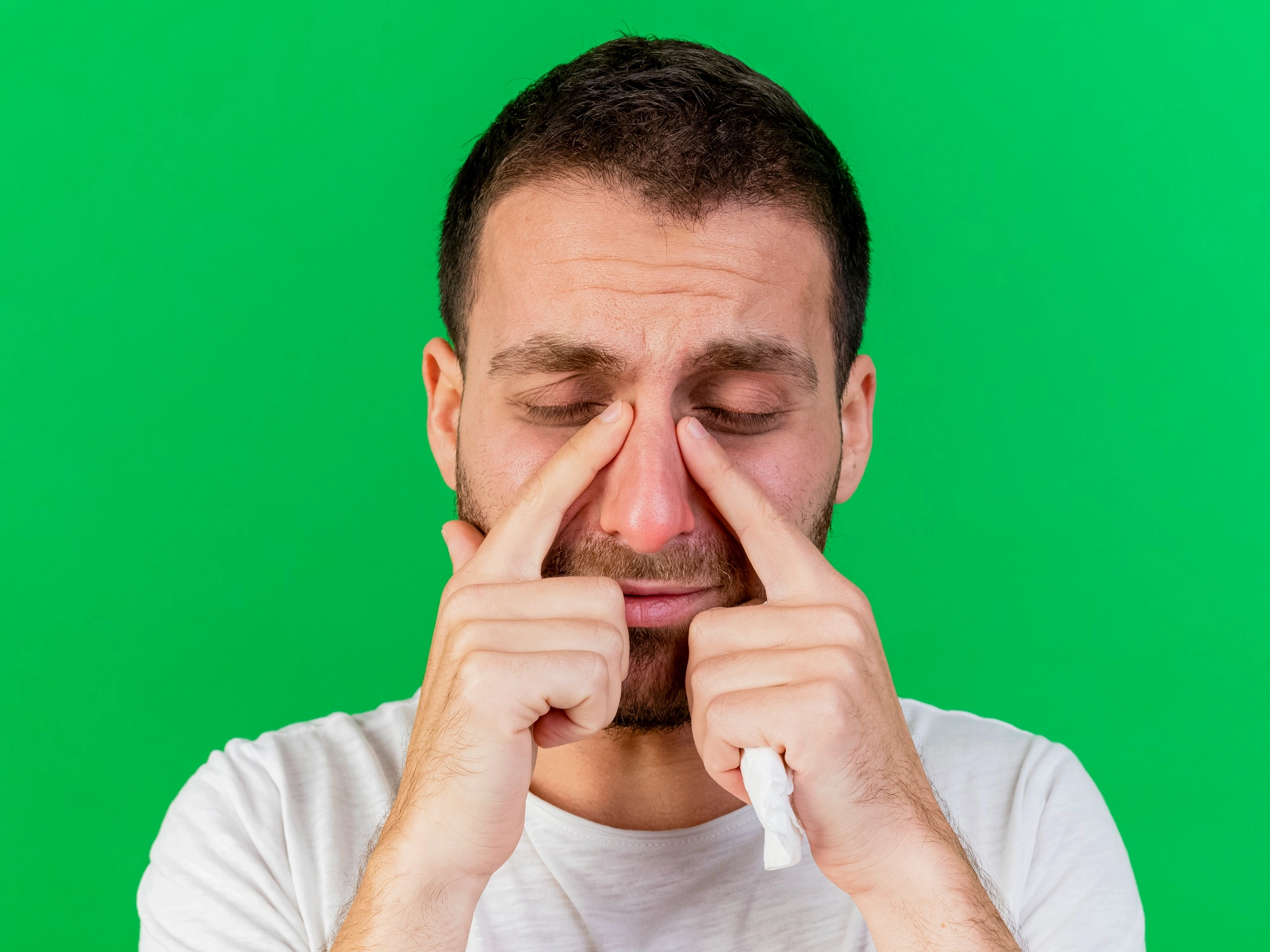
Chronic sinusitis brings discomfort deeper than most expect. Nasal blockage along with yellowish drainage defines it, yet reduced ability to detect scents or flavors appears just as often. Pressure lingers near the face - eyes, cheekbones, brow - with leaning down intensifying the sensation. Cough that won’t fade, throat irritation, even earaches show up regularly. Fighting ongoing swelling drains energy; mental clarity fades slowly. Tasks grow harder. Social moments slip away without notice.
The Role of Systemic Health and Fluid Balance
Fluid levels within the body influence how well mucus moves and inflammation responds. Moisture along tissue surfaces depends on stable hydration, regulated largely by kidney activity. When fluids shift beyond normal ranges, sinus drainage slows due to increased mucus viscosity. Electrolyte stability, maintained through organ function, supports proper clearance mechanisms. In cases involving youth or prior kidney issues, evaluation by a specialist in urinary development may clarify links between fluid handling and breathing discomfort. Restoration of equilibrium inside the system often leads to reduced congestion. Healing irritated areas frequently follows improved moisture control. Balance, once restored, allows natural processes to resume without added resistance.
Skin Health and Physical Comfort
Because chronic sinusitis persists, facial changes may follow as a result of ongoing mouth breathing or repeated spray applications. Near the nostrils and above the lip, surfaces grow rough - moisture fades, cracks form, wiped tissues add friction, chemicals linger. Protection matters where defenses weaken; intact barriers lower infection risks while calming raw nerves beneath. When outer layers stabilize, attention shifts naturally inward - to clearing congestion at its source - the kind that settles deep behind bone and cartilage.
Modern Treatment Options Medical and Surgical
Starting with rinses using salt water alongside steroid-based nose sprays often marks the first step in managing lasting sinus issues. When allergic reactions play a central role, treatments shift toward calming the body’s defenses - either through allergy shots or agents that block histamine. Resistance to standard medicines sometimes leads care plans toward newer physical interventions rather than drugs alone. By 2026, one such method gaining ground uses a tiny inflatable device placed inside narrowed passages. Expansion of the tool gently opens blocked areas, restoring flow right away while avoiding cutting or scraping tissue altogether. Relief tends to last, emerging naturally once drainage resumes.
Lifestyle Changes for Lasting Relief
A steady humidity level indoors supports clearer breathing when dealing with long-term sinus issues. When air stays moist, irritation in the nose tends to decrease. Exposure to strong scents or tobacco fumes may worsen symptoms - keeping distance from such elements brings noticeable relief. Water intake plays a quiet but vital role in moving unwanted particles through the system. Medical advice paired with small, consistent changes shapes how easily the condition remains under control. Lasting comfort often grows from routine choices more than sudden fixes.
Conclusion
Managing long-term sinus issues involves careful attention to bodily inflammation along with broader health influences. When skin defense mechanisms face outside irritants, support becomes necessary; similarly, proper hydration levels may require advice from a child urinary system expert. Clearer airways often follow once personal causes are recognized while newer therapies are reviewed. Should facial discomfort persist beyond twelve weeks, visiting a doctor who specializes in nasal passages allows tailored guidance to form. Each choice contributes when aiming for steady improvement without sudden changes.