

Speech and Hearing Outcomes After Cochlear Implant
July 23, 2026
For someone living with severe hearing loss, silence rarely feels simple.
Sometimes it arrives gradually. Conversations become harder to follow. Television volume climbs higher than everyone else prefers. Familiar voices begin sounding unclear rather than absent. Certain sounds disappear first - softer speech, distant conversations, words spoken in crowded places. Over time, communication starts feeling tiring.
For others, hearing loss appears much earlier in life.
Parents notice delayed speech. A child does not respond consistently to sounds. Words arrive slowly or not at all. Questions begin quietly.
“Will they hear properly?”
“Will speech improve?”
“What happens after a cochlear implant?”
These concerns are understandable because cochlear implantation is often viewed as a turning point. Yet expectations sometimes become confusing. Some people expect hearing to return immediately, almost like flipping on a switch. Others worry improvement may never come at all.
Reality usually sits somewhere in between.
A cochlear implant can create meaningful change, though outcomes depend on several factors and progress often unfolds gradually.
What A Cochlear Implant Actually Does
Unlike hearing aids, cochlear implants work differently.
Hearing aids mainly amplify sound. That works well when the inner ear still processes signals to some extent. However, when severe or profound hearing loss affects the cochlea significantly, simply making sounds louder may not solve the problem.
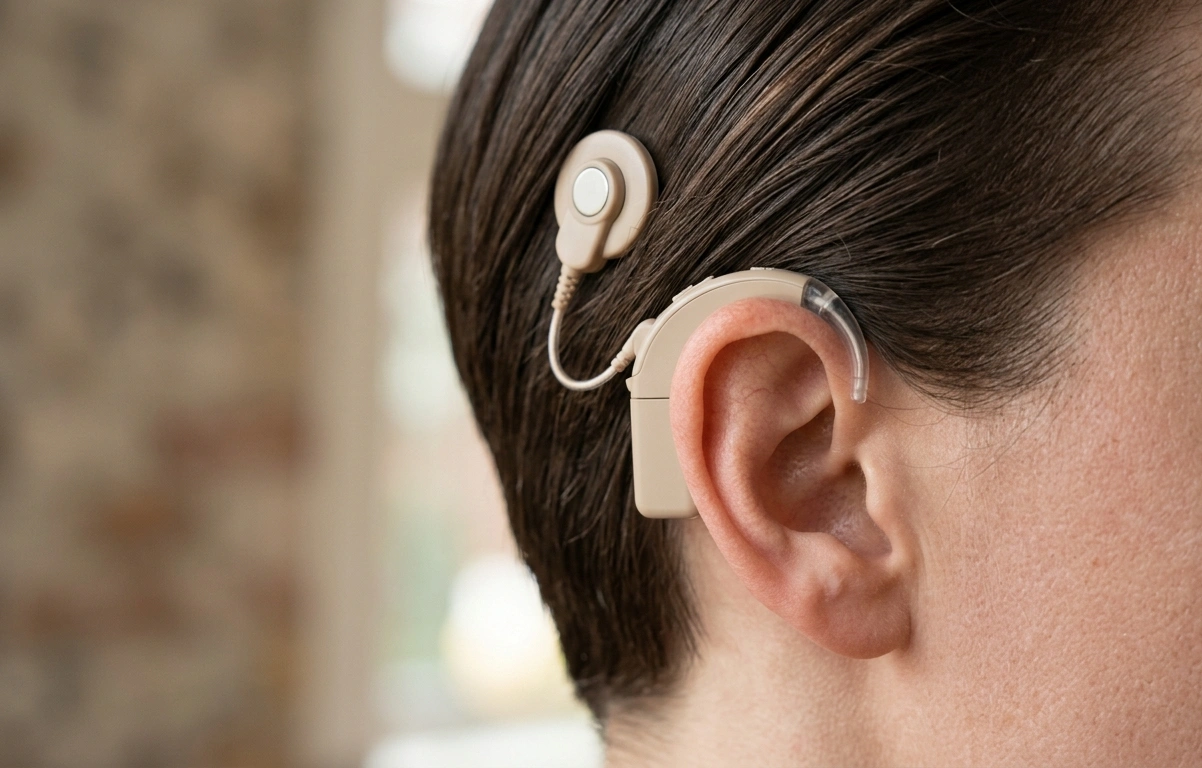
A cochlear implant bypasses damaged parts of the inner ear.
Instead of relying only on natural hearing pathways, the device sends signals directly to the hearing nerve, helping the brain recognize sound in a different way.
That distinction matters.
The implant does not “restore normal hearing” exactly as it existed before. Rather, it gives the brain access to sound information again - often allowing speech and environmental sounds to become more understandable over time.
The process, however, takes adjustment.
Does Hearing Improve Immediately?
People often expect instant results.
Usually, it does not happen quite that way.
After surgery, the device is activated only after healing begins. Once switched on, sounds may initially feel unfamiliar. Some describe them as mechanical, unusual, or difficult to interpret at first.
This stage surprises many families.
The brain has to learn again.
For children born with hearing loss, the brain begins recognizing sounds it may never have experienced before. Adults with long-standing hearing loss often need time to reconnect speech sounds with meaning.
Improvement usually develops gradually rather than suddenly.
Days turn into weeks. Weeks become months. Slowly, sound starts making more sense.
Voices feel clearer.
Words become easier to recognize.
Confidence in conversation often improves.
Still, progress rarely moves identically for everyone.
Speech Outcomes After Cochlear Implant
Speech development tends to depend heavily on timing.
For children, earlier intervention often creates stronger opportunities for speech and language growth. When sound access improves during important developmental years, language learning becomes easier to build naturally.
Still, age alone does not decide outcomes.
Consistent therapy matters greatly.
Speech therapy and auditory rehabilitation often help children understand how sounds connect to words, language, and communication patterns. Families play an important role too, particularly through regular conversation and listening activities at home.
Over time, many children develop understandable speech, stronger vocabulary, and better communication confidence.
Adults often experience different goals.
Someone who once heard normally may focus more on regaining speech understanding, recognizing voices again, using the telephone comfortably, or participating in conversations without depending heavily on lip reading.
Improvement varies, though meaningful gains often become noticeable with practice and follow-up.
Factors That Influence Outcomes
Several things influence hearing and speech progress after cochlear implantation.
One important factor is how long hearing loss existed before treatment.
In many cases, earlier implantation allows the brain to adapt more effectively because hearing pathways remain more active. Long periods without sound sometimes make adjustment slower.
Age at implantation matters, especially in children.
Hearing rehabilitation matters too.
Some individuals improve steadily because therapy continues consistently after surgery. Follow-up mapping sessions, speech exercises, and listening practice all contribute to outcomes.
Family involvement also plays a role.
Children surrounded by language-rich environments often show stronger communication growth over time.
Even overall health and the condition of the hearing nerve may influence how well someone responds.
Because of this, expectations are usually individualized.
What Everyday Improvements Might Look Like
Progress does not always arrive dramatically.
Sometimes, it begins quietly.
A child turns toward their name for the first time. Parents notice response to everyday sounds - doors opening, footsteps, birds outside, laughter nearby.
An adult may begin understanding speech without asking people to repeat themselves constantly. Group conversations feel less exhausting. Social situations become easier to navigate.
Small victories often matter most.
Recognizing a familiar voice.
Following speech in a classroom.
Feeling more involved during family conversations.
The improvements may seem ordinary from the outside, yet they often carry deep emotional meaning.
Why Rehabilitation Matters After Surgery
The implant alone does not complete the process.
Learning to hear differently takes time and support.
Regular follow-up appointments help adjust sound settings based on comfort and hearing performance. Rehabilitation sessions teach the brain how to interpret sound more efficiently.
Practice becomes important.
Listening exercises, speech work, and consistent communication all shape progress.
People sometimes underestimate this stage.
Surgery creates access to sound. Rehabilitation helps transform access into understanding.
Setting Realistic Expectations
Hope matters.
So does patience.
Some people progress quickly. Others need longer adjustment periods. Certain individuals achieve strong speech understanding within months, while others continue improving gradually across years.
Comparisons rarely help.
Progress tends to follow individual pathways.
What matters more is steady movement forward rather than immediate perfection.
Conclusion
Speech and hearing outcomes after cochlear implantation often improve meaningfully, though the process usually unfolds gradually rather than instantly. While hearing may not feel “normal” immediately after activation, many individuals begin recognizing sounds, understanding speech better, and communicating more comfortably over time.
At places such as Anand ENT Clinic, cochlear implant care extends beyond surgery itself. Careful assessment, rehabilitation, speech support, and long-term follow-up often shape outcomes just as much as the procedure. For families and individuals navigating severe hearing loss, meaningful progress often begins not with immediate change, but with consistent support and realistic expectations.